Visualizzazione post con etichetta CINEMA KANNADA. Mostra tutti i post

14 dicembre 2022

KANTARA


Che film singolare, questo Kantara. Rustico, fragoroso ed evocativo. Di primo acchito, forse un po' ostico per noi occidentali, perché molto aderente al folklore locale non esotizzato. Una stravagante, potente combinazione di etnologia, masala, denuncia sociale e ambientale. Un eroe tradizionale conficcato in un contesto realistico di questioni tribali e discriminazioni castali, illuminato dal confronto fra religione e secolarismo, schiodato dagli stereotipi e lanciato verso un orizzonte infinito. 

Kantara non è nato con velleità panindiane, poi il passaparola ha fatto miracoli. Dal Karnataka, la pellicola è dilagata inarrestabile in tutto il subcontinente, conquistando pubblico e critica. Mi è piaciuto? Difficile rispondere. Mi ha colpito l'originalità. In parte mi ha stregata. È anche divertente: non manca di umorismo, e le scene d'azione sfoggiano una soverchiante irruenza primitiva. Tecnicamente di buona - a tratti ottima - fattura, con un'efficace fotografia notturna e una tecnica di ripresa di qualità. 
La trama è eccentrica, sviluppata da una sceneggiatura imperfetta ma interessante. La regia è sbalorditiva per convinzione e per fervore, procede come un treno dritto alla meta, travolgendo (e coinvolgendo) tutto ciò che si frappone alla sua marcia trionfale. I personaggi secondari non sono ben delineati e risultano un po' fuori fuoco. In compenso il protagonista è pazzesco, o meglio, è pazzesca la sua parabola, un completo, totale ribaltamento di sè, un'accettazione, una comprensione viscerale delle proprie radici, un epilogo straniante e quasi metafisico che in India ha toccato corde profonde, e sono settimane che non si parla d'altro.

TRAMA

1847. Nella foresta, un re infelice scorge un idolo di pietra che rappresenta Panjurli, e ritrova la serenità. Ottiene l'idolo dalle popolazioni tribali, concedendo loro in cambio delle terre. Ma Guliga, sanguinario compagno di Panjurli, per bocca di un nativo in stato di trance, lo mette in guardia: se i suoi discendenti tenteranno di riappropriarsi di quelle terre, Guliga li ucciderà senza pietà.
1970. Nel corso di una danza rituale (bhootha kola) in onore di Panjurli, il danzatore svanisce misteriosamente nella foresta, lasciandosi alle spalle il figlioletto Shiva.
1990. Ormai adulto, Shiva, fra zuffe e cazzeggi, non vuole saperne di danzare. Il destino però gli riserverà non poche sorprese.

ASSOLUTAMENTE DA NON PERDERE

* La gara dei bufali (kambala) è spettacolare, e la rocambolesca rissa che segue è persino meglio.
* Gli ultimi venti minuti di grande cinema. Sbalorditivi. In un impetuoso incrocio di umano e divino, Kantara passa dall'intrattenimento al trascendente, dalla fisicità all'evanescenza, con una disinvoltura e una sicurezza difficili da eguagliare e impossibili da dimenticare. 

RECENSIONI

Deccan Herald: *** 1/2
'The visual style of ‘Kantara’ reminds you of the uncontrolled chaos in Lijo Jose Pellissery’s films. It’s amazing how Rishab [Shetty] (...) takes less time to establish the setting. ‘Kantara’ also attempts to expose the uncomfortable truths of the human mind. (...) Episodes that celebrate the spirit of coastal Karnataka offer an immersive experience. (...) Right from food to dialect to sacred customs to a host of quirky characters, (...) 'Kantara' is an engaging cultural tour. The efforts of B. Ajaneesh Loknath and Arvind S. Kashyap make ‘Kantara’ a technical marvel. There is a constant shift in mood in the film and Ajaneesh’s background score, at every turn of the plot, is dipped in authenticity. The use of different sounds complements the film’s folk flavour. Arvind goes beyond just celebrating the scenic landscape of the Western Ghat region. He supports the movie’s dark tonality. His camerawork is marked by an adventurous energy, especially in the racy and explosive portions. Apart from being technically rich, ‘Kantara’ is a film filled with terrific conflicts. Yet, it keeps you at an arm’s length as far as emotions are concerned. The director in Rishab succeeds in exuding unconventionality on screen but the writer in him fails to construct solid character arcs. For instance, it’s a great idea to make a woman (Sapthami Gowda in a weak performance) from the community work for the forest department, which the villagers detest. But Rishab doesn’t flesh out the character’s full potential, just like he keeps the forest officer’s balancing of personal and professional conflict at a generic level. This hampers a usually-reliable Kishore’s performance as he is forced to remain one-note. Similarly, the landlord's vested intentions are revealed without any build-up but given how brilliant Achyuth [Kumar] is, the character’s sudden switch in the trait is made invisible by his effortless transformation. Having shared the screen with gifted actors, it has taken a career-best effort from Rishab to emerge the best. His internal preparation and the hard work to perfect the external makeover for the stylised bhootha kola performance are commendable. He gets into a different zone in the jaw-dropping climax, which comes after an ambitious yet exhaustive action sequence. Rishab’s stunning act in the final 15 minutes is sure to be discussed for a long time'.
Vivek M.V., 30.09.22

The Hindu:
'From a general glance at the Kannada movies in the last five years, it appears that the Shettys (Rishab Shetty, Rakshit Shetty and Raj B. Shetty, better known as the ‘RRR’ of Coastalwood) are changing cinema to a certain extent, in terms of content rooted in native ethos. Rishab Shetty (...) strongly believes in his theory that cinema will be more universal, if its content is regional and trust is reposed in regionalism. Kantara is a continuation of his engagement with regional content; he has once again experimented with the much-discussed issue of feudalism, environmental protection and forest land encroachment in general. In Kantara, he has turned his focus on folklore and the native cultures. (...) Set against the rural background of forest wealth smuggling, Rishab narrates a story of the belief system of generations in the coastal region and focuses on the sacred customs of the region with the powerful support of the native village nestled in the forest land. He succeeds in meticulously bringing a tale of myths, legends and superstition, and that too in his native dialect. (...) But, it is cataclysmic that in his enthusiasm to showcase, native culture, Rishab glamourises native practices. Such attempts to please the audience through a commercial framework lead to the narration losing traction and issues get diluted'.
Muralidhara Khajane, 30.09.22

Galatta:
'Rishab Shetty (...) delivers a joyous and very exuberant performance as Shiva, the protagonist of Kantara. (...) The screenplay uses many devices to tie the past and the present - or rather, to bring the past to the present and show how the two are always intertwined. (...) The most important past-present connection is a fearsome scream, which is also a metaphor for the cry of anguish of the landless. We hear this cry in the present-day Bhootha Kola performances, and we get into the meat of the plot: Who "owns" the forests? (...) Kantara follows the classic template of The Chosen One, a man who appears ordinary but is destined for greatness. At first, Shiva is as ordinary as ordinary can be. (...) And like every self-respecting masala-movie hero, he locks horns with the antagonist, (...) the forest officer Murali, nicely played with gruff authority by Kishore. (...) In short, we are either in a masala movie disguised as folklore, or in folklore disguised as a masala movie. Either way, everything has a touch of symbolism. (...) All of this is richly shot by Arvind S. Kashyap, and elevated by B. Ajaneesh Loknath's score, which is simultaneously as big as rock music and as subtle as the gently rippling notes at the film's opening. And some of the action choreography is superb. There are issues in the writing. (...) There's a taken-for-granted quality about th(e) love story. (...) The villains are easy enough to spot from a mile away, and a character's change of heart is entirely expected - meaning, the narrative could have used a lot more tension. And in such a story, I wish they'd avoided the cliches - like Shiva bursting in fury when his mother is slapped around, or the really cheap shot of a little girl being killed. But the bigger picture of Kantara is in the smaller details. It’s in the way Leela is torn between her affiliation to her job, i.e. the government, and her people, i.e. the tribals. It's in the way Nature is manifested as wild animals, as forests, as fire, as rain. When Shiva is drenched in a downpour, he says he isn't wet; he has been cleansed. It’s almost like Nature has performed a ritual on him. Despite the generic nature of the middle portions, the closing stretch complements the film’s opening beautifully. And there’s very little more potent than the rush of myth'.
Baradwaj Rangan

Cinema Hindi: *** 1/2 
Punto di forza: il prorompente Rishab Shetty (*****), che qui è regista, soggettista, cosceneggiatore e attore protagonista. L'unicità: pur con le sue lacune, Kantara rimane rilevante perché inaugura un nuovo genere e un nuovo stile. La regia, che utilizza registri opposti nello stesso film: documentaristico (ad esempio la superba sequenza che precede la gara dei bufali), popolare (ad esempio le scene d'azione), spirituale e simbolista (ad esempio l'inaspettato, suggestivo finale). Sembra incredibile ma in buona parte funziona.
Punto debole: con qualche limatura, la sceneggiatura avrebbe brillato. Considerando l'epilogo, la storia d'amore è giustamente marginale (il film appartiene a Shiva), però il nocciolo narrativo dei dubbi di Leela, divisa fra due mondi e due versioni di sè, era promettente e meritava un approfondimento.

SCHEDA DEL FILM

Cast:

* Rishab Shetty - Shiva
* Kishore - Murali, ufficiale forestale
* Achyuth Kumar - Devendra, discendente di una famiglia reale
* Sapthami Gowda - Leela, guardia forestale e fidanzata di Shiva

Regia: Rishab Shetty 
Sceneggiatura: Rishab Shetty, Anirudh Mahesh, Shanil Guru, Raj B. Shetty, Sham Prasad, Prakash Tuminad 
Colonna sonora: B. Ajaneesh Loknath
Coreografia: Raj B. Shetty (danza rituale bhootha kola), Kulbhushan
Fotografia: Arvind S. Kashyap
Montaggio: K.M. Prakash, Pratheek Shetty
Azione: Vikram Mor
Lingua: kannada
Traduzione del titolo: secondo quanto dichiarato da Rishab Shetty, Kantara is a mysterious forest.
Anno: 2022

RASSEGNA STAMPA

'“I strongly believe in the line - more regional is more universal. I think what we are doing wrong with the whole pan-Indian cinema dream is that we are trying to make bigger films. What’s the point when I try to make the kind of film that has already been made before in some other industry or in the west? Why will audiences pay money to watch such a film in theatres when they can watch it on OTT? In Kantara, I took elements from my own village and mixed it with a story about the conflict between some patch of land owned by some farmers and the forest department. It’s actually a story of humans versus nature. The differentiating aspect was the use of the mythology which is very region-specific and it worked wonders with the audience”.'
* Kantara's success nothing short of miracle: Director Rishab Shetty, Prathima Nandakumar, The Week, 6 novembre 2022:
'Your style of narration stands apart as you combine a contemporary issue with a complex native tradition like spirit worship. How did you get these layers together? (...)
I finished writing the script of Kantara in four months, along with a couple of co-writers, and we shot the entire movie in my hometown, Keradi (...) within 96 days. I strongly believe in approaching a subject with positivity. This story has nativity, our roots, beliefs, rituals and sentiments. I wanted to deal with a common subject avoiding any negativity. I wanted people to walk out of the theatres with a good feeling and energy. (...)
Your performance in the last 20 minutes of the movie, when the spirit manifests in you, has become a talking point. How did you prepare for the challenging role?
I am a trained yakshagana (traditional theatre) artiste and used to don the role for six years, when I was younger. But nothing could have prepared you for a role like this one, as it has several shades. My character, Shiva, is an easygoing, romantic village lad who has shades of grey. When I enact the role of the daiva [divinità locale] it is a spiritual experience. The kambala (buffalo race) scenes demanded an athlete, so I trained in martial arts for the film. I must have watched at least a thousand videos of bhootha kolas (animistic ritual dance) and interacted a lot with the community of daiva narthakas [danzatori rituali] during the making of the film to get it right. I also followed a strict regimen, quit eating non-vegetarian food during the shoot and walked barefoot. During the shooting of the kola, I chose to fast'.
* Rishab Shetty: ‘I believe in the practice and I have portrayed it’, Vikhar Ahmed Sayeed, Frontline, 24 novembre 2022:
'How did you come up with the story of Kantara?
Around 20 or 30 years ago, an incident took place in my village which helped me begin writing Kantara. This incident involved a fracas between a forest officer and a farmer over a piece of agricultural land. When I recalled the incident, I didn’t see these two persons as mere individuals but as representatives of humanity and nature, their clash representing this conflict. I started thinking about this and about how our entire culture in coastal Karnataka revolves around agriculture. Linked to this agriculture-based culture are the daivas (local deities), who are an intrinsic part of our lives, which I brought into my story to complete the tale of the conflict between the elements of nature and humanity. According to me, daiva aradhane (worship of local deities) bridges this conflict. Daiva aradhane brings together everyone equally in its rituals. Even to this day, when daivas are worshipped, members of a particular village, along with their families who may be scattered across the world, ensure that they gather for the rituals. There is no caste element in the Kola (the ritual dance which is part of daiva aradhane) and it even transcends religion, as there are Muslim and Christian daivas. (...)
The subtitle of the film is Ondu Danta Kathe (a legend). Is the film actually based on a legend of coastal Karnataka?
Not directly, but we have thousands of daivas in coastal Karnataka, each of whom has a story. All these stories have come to us as folk songs. There are many sagas where the daiva is challenged, or the daiva performs miracles, and these have actually been witnessed by people who have recorded these instances. How does a story become a legend? Generations of storytellers repeat the same story, giving birth to a legend. I brought together many real incidents, legends, and bits of folklore that I’ve heard over the years and set my fictional story in the world of Kantara. (...)
The climactic scene has become the most popular segment, with many viewers awed by the way in which it is conceptualised. How did you come up with this scene?
It is difficult to answer your question because it’s not easy to communicate what I experienced during the shooting of this scene. In the screenplay, there was only one line about this scene, which stated that the spirit of Guliga daiva would enter Shiva on the instruction of Panjurli daiva. When the daiva’s spirit enters a person, that person struggles to withstand the energy and loses consciousness sometimes. I had to portray this frenzied moment and I prepared for this by watching thousands of videos of Guliga daiva on YouTube. I had also seen the Kola from my childhood, and a team of daiva narthakas (ritual dancers) was with me throughout and I was discussing the portrayal with them continuously. As a devotee myself, I was clear that the portrayal should be accurate because these are sensitive matters of belief, and the visuals of the scene played out in my head. (...)
Kantara has a strong subtext of caste discrimination built into it. What inspired you to underline this aspect?
As a writer, my strength is my keen observation of society. I have seen this society [of coastal Karnataka] very closely from childhood and I’ve grown up seeing caste discrimination. I belong to an upper-caste community (...) but the ill-treatment of lower castes made an impression on me. Nowadays, caste differences are reducing as societies progress but because Kantara is set in the 1990s, I had to incorporate aspects of caste discrimination as well. It was important'.

CURIOSITÀ

* Riferimenti al cinema indiano: Silk Smitha

GOSSIP & VELENI

* A fronte di un costo di 160 milioni di rupie, ad oggi Kantara ne ha incassati 4.460 milioni. Quando si dice un investimento remunerativo. La casa di produzione è la Hombale Films, che, tanto perché piove sempre sul bagnato, in precedenza aveva finanziato la fortunata saga di K.G.F. Esiste un signor Hombale? Sposato?

23 giugno 2022

K.G.F - CHAPTER 1/CHAPTER 2


Non vedevo l'ora di scrivere questa recensione e condividere con voi il mio entusiasmo per il secondo tempo di K.G.F - Chapter 1. La saga di K.G.F nel suo complesso è molto formulaica, e, in cinque ore abbondanti suddivise in due capitoli (K.G.F - Chapter 1, distribuito nel 2018, e K.G.F - Chapter 2), snocciola tutti gli stereotipi tradizionali. Ma il secondo tempo di KGF1 è il gioiellino che non ti aspetti. Ti colpisce dritto in fronte con un mattone. Al netto di qualche dettaglio lacrimoso, è un esempio di grande (grandioso) cinema. Miracolosa, perfetta combinazione di una regia mostruosamente ispirata e visionaria, e di un comparto tecnico mostruosamente abile. Fotografia feroce, espressionista, che scava solchi nei volti e nei luoghi. Scenografia metafisica, che sguscia siti originali e set artificiali per trasfigurarli in un inferno sinistro. Colonna sonora imponente, dal battito inestinguibile, a commento di sequenze aspre e toccanti. L'interpretazione di Yash, l'attore principale, altrove monodimensionale, qui regala una sfumatura di partecipazione emotiva. 
Il risultato è potente. Ti si incolla agli occhi e al cuore. Il secondo tempo di KGF1 è l'efficace rappresentazione di uno sfruttamento spietato, di un'umanità schiavizzata e spersonalizzata (ricorda la società descritta nel romanzo Fuga nel futuro dei fratelli Strugackij). E, insieme alla trama che si sviluppa in KGF2, è la rappresentazione - forse involontaria - di una rivoluzione tradita: una massa assuefatta all'asservimento, tristemente, sceglie sempre e comunque la sottomissione ad un nuovo padrone (accolto addirittura come un messia), perché ha dimenticato cosa sia la libertà. Il secondo tempo di KGF1 è coinvolgente anche negli aspetti tipici del cinema popolare indiano - vedi ad esempio le brillanti scene d'azione -, ed è un peccato che sia preceduto da un torturante primo tempo. Vi consiglio di programmare la visione di KGF1 in due parti, e di godervi il secondo tempo da solo.

A parte l'indiscutibile talento visionario del regista - concentrato in dosi letali nel secondo tempo di KGF1, più diluito nel resto della saga (il contesto del giacimento aurifero è inedito, ed è stupefacente come il sito venga idealizzato e sublimato) -, l'altra particolarità di K.G.F risiede nella complessa modalità di narrazione. Uno straordinario lavoro di cesello, coadiuvato dalla pazienza votata al martirio del direttore del montaggio. Immaginate Prashanth Neel, regista e sceneggiatore, sforbiciare i copioni e ridurli in mille frammenti, e poi ricomporre la sceneggiatura intrecciando questi frammenti fra loro senza rispettare cronologia, geografia o ruoli. L'esito non è sempre ottimale, risulta un po' faticoso seguire la trama. Il rischio è di perdersi nei continui rimandi, nelle continue sovrapposizioni. I personaggi minori sono numerosi, dalla funzione non sempre (e non subito) chiara. La storia, semplice nel soggetto, dopo il trattamento diviene macchinosa. I due film guadagnano in ritmo e perdono in lucidità. Ma non si può non riconoscere l'audacia e l'impegno profuso. Non ricordo di aver visto nulla del genere, sino ad ora, nel cinema indiano, perlomeno non con la stessa convinzione. Quanto al cinema internazionale, mi viene in mente il regista Nicolas Roeg. 

La produzione non ha badato a spese, e K.G.F ha il merito di aver prepotentemente imposto l'industria cinematografica in lingua kannada all'attenzione nazionale. La saga possiede una forza primigenia che cattura, purtroppo però dove il contenuto si assottiglia l'incantesimo svanisce. K.G.F racconta l'ascesa e la caduta di Rocky, un pericoloso criminale. La ricetta è sempre uguale: eroe (negativo) invincibile e stiloso di umili origini che considera il crimine unico mezzo di riscatto personale e sociale, eroina mortificante, figura materna stucchevole, antagonista malvagio, machismo esasperato, consueti stratagemmi formali per celebrare il protagonista, sangue a fiumi, eccetera. Le sequenze d'azione sono numerose, alcune ideate e realizzate in modo geniale. Yash è carismatico e svolge con diligenza il compito assegnatogli - galvanizzare il pubblico maschile, affascinare quello femminile. I dialoghi si sforzano di sprigionare scintille, ma la costante glorificazione di Rocky alla lunga stanca. Escludendo il secondo tempo di KGF1, si ha spesso l'impressione che la trama venga condotta dalla declamazione di battute solenni - non conversazioni -, e dalle scene d'azione, piuttosto che dalla sceneggiatura. 

KGF2 è spettacolare nella forma, inconsistente nella sostanza. L'unico tema narrativo interessante è  l'avidità, appena accennato dalla sceneggiatura. La storia viene innaturalmente allungata con incomprensibili, misericordiose strategie adottate sia da Rocky che dal rivale Adheera. Sanjay Dutt è credibile, malgrado Adheera sia indebolito da una scrittura superficiale: velleità vichinghe (!), proprietà ignifughe (!), l'improbabile sequenza del ponte. Il secondo tempo si lascia guardare con un certo divertimento, però di KGF2 mi è rimasto poco. La trama di K.G.F non richiedeva due pellicole. Si poteva comprimere il primo tempo di KGF1, e tagliare senza pietà le ripetizioni e le scene superflue in KGF2. Non sarebbe nata una saga di successo, solo un unico capitolo compatto e appassionante, di qualità superiore. Temo che i fan di Yash, però, non avrebbero gradito la parsimonia.

Negli ultimi anni, le industrie cinematografiche popolari non hindi - in particolare quella in lingua telugu - stanno tentando di creare un genere nuovo, una sorta di epica moderna molto più estremizzata nella scala e nella forma rispetto al consueto masala, ai film arrabbiati degli anni settanta del secolo scorso o alle più recenti pellicole di propaganda nazionalista. In un certo senso è la risposta indiana ai supereroi hollywoodiani, ma i protagonisti, pur invincibili e dalla forza sovrumana, non sono dotati di superpoteri. Caratteristiche comuni: machismo, personaggi ieratici e rigidamente classificati, battute altisonanti, eccezionali sequenze d'azione. 
A memoria, direi che S.S. Rajamouli ha aperto le danze nel 2015 con Baahubali, maestoso film telugu in costume che esonda nel fantasy, a cui è seguito nel 2017 Baahubali 2. È poi la volta della saga di K.G.F (2018/2022), inframmezzata nel 2021 dal primo capitolo di Pushpa (telugu). A differenza di Baahubali, K.G.F e Pushpa sono ambientati nella seconda metà del novecento, gli eroi sono poco immacolati e di umili origini, lo scenario è di tipo industriale, ed è il lavoro manuale a venir esaltato, non le gesta guerriere. 
La cinematografia popolare realizzata a Mumbai per ora rimane a guardare, relegata in un angolo dalle versioni hindi dei titoli sopramenzionati. Il progressismo nei contenuti e nella forma, avviato nella seconda metà degli anni duemila, da qualche tempo viene mortificato dalla moda nazionalista imperante. È probabile l'adesione al genere epico contemporaneo inaugurato da Baahubali, e Bollywood potrebbe alleggerirne gli estremismi, oltre a ristabilire i bilanci della case di produzione. Staremo a vedere.

TRAMA

La storia è ambientata negli anni settanta-ottanta del secolo scorso, con flashback negli anni cinquanta e sessanta. Rocky perde la madre da ragazzino, ed è determinato ad arricchirsi a qualunque costo. Si trasferisce a Mumbai e si affilia ad un'organizzazione criminale che lo incarica di assassinare l'erede di un impero economico. È l'occasione per - diciamo - un salto di qualità. Rocky raggiunge l'area denominata K.G.F., un sito minerario aurifero gestito con metodi illegali. Rocky si mescola all'umanità sconfitta che lo popola. Ventimila schiavi rapiti e tenuti prigionieri, congelati in una disperazione infinita. Le miserie di K.G.F. si intrecciano alla storia personale di Rocky, che viene accolto come un messia, un semidio figlio di una profezia consolatoria. Ma Rocky è pur sempre un genio del male. 

ASSOLUTAMENTE DA NON PERDERE

* KGF1: il rocambolesco arrivo di Rocky nell'area K.G.F, il combattimento nel sottosuolo che accende la miccia della rivoluzione, la processione religiosa e il rito sacrificale, i titoli di coda (ottima base per un graphic novel).
* KGF2: l'ingresso in scena di Rocky, la febbrile sparatoria con i kalashnikov, la distruzione della stazione di polizia (anche se inutile), il titanico scontro finale. 

ASSOLUTAMENTE DA DIMENTICARE

* La battuta dell'intrattenimento, davvero infelice.

RECENSIONI

* KGF1

Deccan Herald: ****
'For KGF’s team, cinema is bigger than anything else and the grandeur lies in telling a fantastically gripping story. Apart from the initial portions, which seem rushed, editor Srikanth cuts the scenes brilliantly. For a movie of an epic stature, this kind of editing works well. And we keep getting brilliant sets. Art director Shivakumar recreates the charm of old Bombay, the feel of old Bangalore and gets the raw backdrop of KGF to near-perfection. There is too much happening in KGF yet you don't lose focus thanks to Prashanth's approach. (...) He designs spectacular hero introduction and elevation scenes, riveting sequences and constructs characters which you root for. (...) With KGF, Yash makes a big statement. (...) He sinks his teeth into the angry-young-man-idea of Indian cinema and comes out victorious. Not many can deliver dialogue with so much swag as he does. (...) KGF could have skipped an action sequence. In fact, most of the action sequences are a bit jarring. The item song featuring Tamannaah Bhatia and the love track are ridiculously boring. But these are minor flaws. (...) Finally, Sandalwood [cinema popolare kannada] has its own story of splendour'. 
Vivek M.V., 21.12.18

The Hindu:
'Ambitious aspiration, humongous scope and big ticket budgeting - K.G.F Chapter I has it all. Actor Yash has sought to shed his romantic hero image for a heavy-duty action hero avatar. However, all the pluses do not translate to an enjoyable experience. Director Prashanth Neel’s hope of pouring money on the screen in the hope of things falling in place is exceedingly optimistic. Neel loses the plot as he focuses on image building rather than coming up with a credible tale. (...) Despite taking one back to the 70s and 80s when smuggling was almost a rite of passage for the good life, with well-designed sets and black-and-white photography, the film fails to live up to expectations. Film makers need to understand that wielding machete and thundering dialogues do not make a powerful film. Yash goes about his task like a zombie, never rising above the poor script. The film’s format of a writer telling Rocky’s story to the editor of a TV channel is unconvincing. By using a non-linear structure Neel has provided a different feel and texture to K.G.F Chapter I. There is a certain finesse to the edgy, moody cinematography (Bhuvan Gowda). Audience will be lost in the world of the gold fields of 70s. Neel proves again that he is master of craft. There are sequences where three scenes run simultaneously. The director has used VFX and the effort to go on location is evident. As far as the colour scheme is concerned, Neel and Gowda have used black and brown for a raw feel. The climax is spectacular with the support of brilliant cast. The sets and locations are spot on. Beyond that there is nothing in the film that we have not seen before. It lacks soul, a believable story and a rounded protagonist'.
Muralidhara Khajane, 21.12.18

* KGF2

The Hindu:
'Filmmaker Prashanth Neel corrects some of the wrongs of the first part in this sequel, which is electrifying for sure - but also a bit of a drag in the middle portion. There is something outlandish yet gorgeous about the K.G.F franchise that they no longer make such films. That they no longer imagine scenes propelled by absolute madness. After all, K.G.F films are written on steroids. There is a moment in K.G.F: Chapter 2, where Rocky Bhai (a rocking Yash, bathed and cleansed in masculine orgy) takes a machine gun out to blow up a police station. (...) In that one single shot, Prashanth Neel highlights what the K.G.F films are for: to create a delirious cinematic experience, where there is barely any time for us to contemplate logic and sense. There is only one way to look at K.G.F for it to work for you and that is to partake in the madness it offers - from scene to scene; one set piece to another; one giddy stunt choreography to the next. The most amazing achievement of Prashanth Neel has got to be the marrying of the Hollywood motifs from influential figures - Coppola, Scorsese, Mel Gibson to Peter Jackson and George Miller - with masala flourishes from Indian filmmakers. This meeting of the two worlds is powerful and visceral, even if it remains just a possibility throughout. (...) This is masala and it is pure. Come to think of it, the only emotional stake that is anchoring both the K.G.F films is the sufferings of Bhai’s mom, which again is a throwback to a popular trope from the masala universe of a previous era - but. There is something singularly distinct about Prashanth Neel’s idea of masala in comparison to S.S. Rajamouli’s, who, we must acknowledge, brought about a much-needed renaissance to the masala tradition of Indian cinema. Neel’s films are more focused on the extremes, while Rajamouli’s are a work of visionary. Speaking of tradition, it is truly a remarkable decision to cast Sanjay Dutt as Adheera. There could possibly be no other actor to have done justice to a film universe teething with masculine rage than Dutt, who used to be the poster boy of hyper-masculinity at one point. (...) When Yash and Dutt face-off, it does feel like the latter has passed on the hyper-masculine muscle man that he is known for, to the former. Which in itself could have been a befitting conclusion to celebrating the Angry Young Man heroes of a bygone era. (...) There is nothing new to the way things are dealt with in the second instalment, except the addition of three new villains. (...) All those things that were flat and derivative in K.G.F: Chapter 1 continue to be, in the sequel. This film too suffers from the leanness in writing, though the dialogues in Tamil (...) are terrific. (...) There are hardly any effective women in this festival of male toxicity. Of course, this is not a film for women. (...) Reena’s character comes across as so silly and dumb that she is an insult to all the one-note women characters in our masala cinema. Raveena Tandon as the Prime Minister (...) looks deadly; her character not so much. The familiar problems of the first part - the accelerated manner in which scenes are edited, near-deafening background score and the tiring back-and-forth narration (...) worshipping the hero - resurface in part two. You notice the weight of the narrative in the middle section as Prashanth Neel’s struggles with the political chapter of Rocky Bhai. All these make you feel if K.G.F: Chapter 1 felt more complete and wholesome. Another chapter? I’m out'. 
Srivatsan S., 14.04.22

Galatta:
'A film that works at two levels. One, we get a huge action spectacle with very inventive set pieces, superbly shot by Bhuvan Gowda in dark tones that indicate that we are watching a darker sequel. And two, we get a style-filled masala movie, filled with whistle-worthy dialogue and scene after scene with twists and surprises for the audience. (...) Every bit of this film is epic: Yash is epic and wonderfully larger-than-life, the dialogues are epic, Ravi Basrur's score is epic, and the action is epic. (...) The visuals come at us very fast, but this is not just the usual quick cutting for an attention-deficit audience. This is carefully planned stylisation. (...) The one thing that I wished was we had more of an emotional connect with the characters. But I didn't mind. The action and the masala flavour and the precision of the cuts are fantastic, and even if the story arc feels familiar, the denseness from the screenplay/editing makes it all seem new. Chapter Two improves on its predecessor: it is an epic times two'.
Baradwaj Rangan

Cinema Hindi: ***, ma il secondo tempo di KGF1 merita ****
Punto di forza: la visionarietà, l'audacia nella narrazione (anche se faticosa), fotografia, scenografia, colonna sonora, sequenze d'azione, il carisma di Yash.
Punto debole: i dialoghi, la narrazione faticosa (anche se audace), il primo noiosissimo tempo di KGF1, alcuni errori e troppi stereotipi nella sceneggiatura, il personaggio di Reena e la rappresentazione della sua relazione con Rocky.

SCHEDA DEL FILM

Cast:

* Yash - Rocky
* Srinidhi Shetty - Reena, compagna di Rocky
KGF1:
* Anant Nag - narratore 
* Tamannaah - item song Jokae (mal coreografata)
KGF2:
* Sanjay Dutt - Adheera, rivale di Rocky
* Raveena Tandon - primo ministro indiano 
* Prakash Raj - narratore  

Sceneggiatura e regia: Prashanth Neel
Dialoghi: M. Chandramouli, Prashanth Neel, Raaghav Vinay Shivagange (KGF1), Dr. Suri (KGF2) 
Colonna sonora: Ravi Basrur ****. Il compositore ha lavorato per più di tre anni alla realizzazione della colonna sonora - davvero notevole - di K.G.F, a cui hanno collaborato 400 musicisti provenienti da varie parti del mondo. Segnalo i brani, da KGF1, Dheera Dheera, Sidila Bharava, Salaam Rocky Bhai, Jokae (1970, di Upendra Kumar, rimaneggiato da Ravi Basrur); e, da KGF2, Sulthana, Toofan, Gagana Nee (dolcissimo).
Azione: AnbAriv (duo) ****
Scenografia: Shivakumar ****
Fotografia: Bhuvan Gowda ****
Montaggio: Srikanth Gowda KGF1/Ujwal Kulkarni KGF2 (applauso per il colossale lavoro)
Lingua: kannada
Traduzione del titolo: l'acronimo K.G.F. significa Kolar Gold Fields, un sito minerario nel Karnataka.
Anno: 2018/2022
Award: KGF1 si è aggiudicato, fra gli altri, i National Film Award per le migliori sequenze d'azione e per i migliori effetti speciali.
Trailer KGF1 e KGF2

RASSEGNA STAMPA

'Prashanth Neel’s vision is exactly what Kannada cinema needed to transcend regional and cultural barriers. It’s not everyday that you hear about a film, originally made in Kannada, get a simultaneous release in Hindi, Telugu, Tamil, and Malayalam. But then, KGF isn’t like most other Kannada films. (...)
The Genesis Of KGF (...)
The first meeting, where Prashanth narrated the story of KGF, was anything but smooth. “He’s so bad when it comes to narrating a story,” he [Yash] laughs, adding, (...) “It’s been more than four years since that meeting happened and he has improved a lot. But the moment he gets down to work, he’s a different person altogether. His clarity of thought and how he brings out the best in every actor and technician is exemplary. He’ll surely be one of the best directors in the country.”
Braving the sun and dust in Kolar
The principal shooting of KGF began in March, 2016. Long before that, the team decided to cast newcomers for key roles in the film, and all of them had to undergo acting workshops spanning nearly 12-15 months. A significant portion of the film was shot in Kolar, which was once home to India’s biggest gold fields. A dumping yard was turned into a huge set and at any given point, there were at least 500-800 junior artistes on the set, apart from the lead cast and crew. “Some people in the team had reservations about shooting there because the dust in the dumping yard had traces of cyanide, which is used to process gold. We took ample precautions, every member of the unit was insured. During the shoot, we made sure that everyone was hydrated, but shooting in the summer was really tough. We couldn’t shoot for more than 10-11 days at a stretch, and a lot of people fell ill because of the heat and dust. The junior artistes on the set used to hide their slippers beneath the sand; however, even their shoes used to get hot after every shot,” Yash reveals. If the weather conditions weren’t challenging enough, managing so many people everyday was tougher. Prior to the shoot, when there was a casting call for hundreds of junior artistes to be part of KGF, the response was phenomenal; however, two days later, several junior artistes did not show up given how challenging the shoot was. “Every evening, after the shoot, they had to hand over their costume and board a bus to the hotel room. When we realised that people were running away post the shoot, we hired a few bouncers to make sure no one left abruptly. Later, when the costume department realised they were falling short of clothes for junior artistes, we got to know that people were even running away from the set itself,” says Yash recounting the incidents during the shoot. “After a few days, we had no choice but to get junior artistes from Mysore. It might seem funny now, but the shoot was really grueling for all of us. The assistant directors did a phenomenal job training all the actors on the set, and some of them got so involved in their characters that they wouldn’t even return to their normal state during breaks.”
No industry is big or small
In a recent interview, cinematographer Bhuvan Gowda revealed that every shot of KGF was captured with a shoulder-held camera, which weighed nearly 40 kgs. “It helped us get a lot of hazy shots, which were required for the film. We tried to use natural lighting while shooting outdoors, and there’s even a shot where the only light source is the light from a match stick. Even the colour palette of the film is mostly red to signify blood, or ‘Japan Black’ which gave a greasy look and raw feel to the frame,” says Bhuvan Gowda. Yash is all praise for Bhuvan, art director Shivakumar, and music director Ravi Basrur. “There’s a lack of awareness about the kind of work being done in Kannada cinema, and I don’t like it when people discriminate against an industry. I’ve always believed that it’s the people who work in the industry who make it big or small. And when we do big films, then people’s perception too changes. I can proudly say that KGF has world-class technicians, and people will really appreciate Bhuvan, Shivakumar, and Ravi for their work. We wanted to do something which would make everyone notice our industry. Our vision was not to compete with other industries, but to create something which is world class in every sense, because like everyone else, we too use the same cameras, same editing software among other things,” Yash avers'. 

CURIOSITÀ

* L'acronimo K.G.F. sta per Kolar Gold Fields, sito minerario nel Karnataka. Le miniere, nazionalizzate dal governo indiano negli anni cinquanta, sono inattive dal 2001 per ragioni economiche, malgrado i giacimenti auriferi siano tuttora disponibili. I due capitoli di K.G.F sono stati parzialmente girati nella regione, costruendo (più volte) in loco giganteschi ed elaboratissimi set. Fra le altre location: Jayalakshmi Vilas Mansion (Mysore), Lalitha Mahal Palace (Mysore), Infosys Mysore Campus.
* La pre-produzione di KGF1 è durata circa un anno e mezzo, al fine di reperire e verificare ogni dettaglio per ricreare gli anni settanta nel modo più preciso possibile. Le prevendite dei biglietti ebbero un successo tale da indurre i distributori a fissare proiezioni alle 4.00 del mattino.
* KGF2 è, ad oggi, il film kannada più costoso (KGF1 è il terzo) e, nella classifica indiana degli incassi, occupa il terzo posto dopo Dangal e Baahubali 2 (telugu). Escludendo gli introiti dall'estero, sale in seconda posizione dopo Baahubali 2, e prima di RRR (telugu) e Dangal. Fonte Wikipedia. La versione doppiata in hindi di KGF1 diede del filo da torcere a Zero, distribuito lo stesso giorno (21 dicembre 2018).
* Durante le riprese di KGF2, purtroppo a Sanjay Dutt è stato diagnosticato un tumore. Ora l'attore sta bene.
* Riferimenti al cinema indiano: Amar (KGF1).
* Film che trattano lo stesso tema: Raees.

GOSSIP & VELENI

* In un film, innestare in modo coerente le coreografie e le scene d'azione è meno facile di quanto si creda. Spesso sembrano la ricreazione (le canzoni) e l'ora di ginnastica (i combattimenti). L'eroe di turno, invece di rompersi i coglioni in palestra, si mantiene in forma menando a destra e a sinistra. Poi capita come in K.G.F che alcune (non tutte) sequenze d'azione, già memorabili per concezione e realizzazione, siano incastonate ad arte nella sceneggiatura come pietre preziose in un collier. Lo spettatore avverte tutta l'urgenza, la necessità. In KGF1, quando Rocky combatte per l'affrancamento degli schiavi, risponde ad un mio bisogno primitivo. Avrei voluto lanciarmi nello schermo, con tutte le mie padelle, e dargli una mano.


09 ottobre 2021

H E R O


Immaginate un pericoloso virus per il quale non esistano cure o vaccini. Immaginate una pandemia e un lockdown globali, un'economia depressa, umori ancora più depressi.
Ora immaginate un manipolo di amici, tutti professionisti del cinema, che, di punto in bianco, decidano di trasferirsi per un periodo imprecisato in una località sperduta. Bagaglio? Vediamo: attrezzature al minimo, un drone, un coccodrillo con problemi gastrici. Nessun progetto definito, solo il desiderio di lasciarsi alle spalle l'inattività forzata e di realizzare qualcosa insieme.
Quale testamento lasciare agli eventuali alieni in visita ad un mondo ormai disabitato? Hero, il racconto straziante delle ultime ore di un'umanità condannata all'estinzione.

Sbagliato. Anzi, giusto, tranne l'ultima frase. Perché il nostro è un gruppo di mattacchioni spudorati. Perché l'esperienza bucolica si trasforma in esperimento burlone. Perché Hero è una commedia, a tratti demenziale, dal sonnacchioso primo tempo, seguito da una truce impennata. Splatter, sangue che zampilla, cadaveri che arredano, inseguimenti, zuffe. Il tutto condito da un malandrino commento musicale. E non perdetevi i titoli di coda.
Un soggetto sfruttatissimo vivificato da una delirante sceneggiatura e da una buffa regia. Girato in 43 giorni, Hero è una parodia dei cliché del masala: machismo, amori, gangster sociopatici, vendette, violenze, riprese al rallentatore, combattimenti inverosimili. Gli effetti speciali sono giocoforza casalinghi, ma contribuiscono a strappare sorrisi. Le sequenze d'azione, nel secondo tempo, sono stupefacenti per inventiva e sfruttamento scaltro delle poche risorse a disposizione. I personaggi sono gioiosamente di cartone. Gli attori si abbandonano alla giostra improvvisata sul set e come viene viene. Tutti fanno tutto: le star collaborano con i tecnici, i quali, a loro volta, recitano in ruoli minori o si limitano ad essere comparse silenziose - mi riferisco ai numerosi cadaveri - e sembra non abbiano fatto altro - intendo attori di supporto, non cadaveri - nella vita.

Quale insegnamento possiamo trarre da Hero? Che non è solo la fame ad aguzzare l'ingegno, pure le pandemie (e la noia). Hero non è impeccabile, ma a modo suo è un dito medio al coronavirus. Immagino sia stato terapeutico - oltre che divertente - per la trentina di persone che lo hanno realizzato. Noi spettatori ringraziamo. Quanto agli alieni, beh, sarà per la prossima volta.

TRAMA

L'eroina pianta in asso l'eroe e sposa il gangster. L'eroe pianifica la vendetta. Ma l'amore trionfa e si chiarisce tutto: l'eroe non è propriamente un eroe, il gangster si scontra con una pentola a pressione, e l'eroina si rivela assai poco tradizionale. Che la (caotica) caccia abbia inizio.

ASSOLUTAMENTE DA NON PERDERE

* L'audizione per selezionare il team a cui affidare la spedizione punitiva.
* L'energumeno con clava e un'irrefrenabile passione per i cinghiali. E il cuoco ricciolone, chiacchierone, incurante di quanto lo circonda.
* La sequenza del trattore.

RECENSIONI

Deccan Herald: ***
'Technical brilliance is a minimum guarantee in Rishab Shetty's films. Hero, shot entirely during the Covid-forced lockdown last year, deserves extra praise in this aspect. Every department of the film is solidly handled to hold the wafer-thin story. Director M. Bharath Raj debuts with a violent action-adventure laced with terrific dark humour. (...) The excessive bloodshed shown is new to Kannada cinema but Bharath has shot the gory violence with swagger, making the film a treat for fans of the genre. Arvind Kashyap's ambitious camera work and a plethora of quirky characters delivering crackling one-liners make the first-half an entertaining ride. (...) While the initial portions of the second half are gripping, the overdose of action towards the end makes the film a tad one dimensional. The leads' backstory isn't etched out well, perhaps due to the shooting restrictions caused by the pandemic. After setting the story well, Bharath's screenplay sags with no great twists. Rishab continues to grow in strength as an actor. (...) He is on-song here in the funny portions but his alcoholic acts are jarring. Ganavi has a great face for emotionally-charged roles, the film doesn't explore it fully. Ajaneesh Lokanath is the film's backbone with his gripping background score and melodious songs. (...) Hero falls short of being a great film but it's a laudable experiment'.
Vivek M.V., 06.03.21

Cinema Hindi: ***
Punto di forza: la goliardia e l'incoscienza.
Punto debole: il primo tempo è introduttivo con un ritmo un po' lento e una comicità diluita.

SCHEDA DEL FILM

Cast:

* Rishab Shetty - il barbiere (Hero)
* Ganavi Laxman - la moglie del gangster (Heroine)
* Pramod Shetty - il gangster (Villain)
* Ugramm Manjunath Gowda - il figlio del gangster rivale
* Anirudh Mahesh - il dottore
* Kiran Kinna - il cuoco

Regia: M. Bharath Raj
Sceneggiatura: M. Bharath Raj, Anirudh Mahesh, Nithesh Nanjundaradhya, Trilok Trivikrama, Rishab Shetty
Colonna sonora: B. Ajaneesh Loknath
Coreografia delle sequenze d'azione: Vikram Mor, Rishab Shetty
Lingua: kannada
Anno: 2021

RASSEGNA STAMPA

* Director M. Bharath Raj, actor-producer Rishab Shetty on the making of Kannada film Hero during lockdown, Firstpost, Subha J. Rao, 10.02.21. Il pezzo raccoglie anche le dichiarazioni di Vikram Mor, il tecnico che ha ideato le sequenze d'azione. Un estratto: 'The film was not a planned one. In fact, the ideation and writing just took three days, and the team suddenly found itself in the midst of shooting. “This is Bharath’s debut, and even his parents did not know that. Our dialogue writer was writing dialogues till the last day of shoot,” laughs Rishab, who is also the film’s producer. What makes Hero special is that unlike a typical “lockdown” project, it has all the trappings of a commercial film - stunts galore, great music, a lot of characters, and the vast expanse of coffee estates. In one fell stroke, it has changed what a film shot during the pandemic must look like. (...) Before they changed their mind, the team of about 25 headed to shoot in idyllic Chikkamagaluru. “We decided to do something, a short, a 90-minute film, a full feature... and release it in the theatre, on OTT or YouTube,” says Rishab. (...) “This was an adventurous process, and we were all high on energy,” says Rishab. (...) Hero was shot during lockdown, but they wanted it to look like a regular film. “Our only compromise was doing something differently from what we were used to, not on the quality,” says Bharath. “We tried to convert those limitations into a challenge that we could overcome. We were on set 24x7, and we spent every moment together. The cot you see in the trailer, that was where Rishab, Pramod Shetty and the others slept at night. We lived and shot together.” (...) Vikram Mor (...) came with just an assistant, and says they decided to shun any movement that defied physics and gravity or anything that needed a crane and ropes. “The focus was on realistic fights and we used everyone. The topography lent itself to some stunts. My assistant appeared in a scene, so did the director and his assistant. You can see my back too. In fact, Anirudh (Mahesh, cosceneggiatore) even wrote out the fight scenes. It was an invigorating experience,” he says. Rishab says that no one on set was anything less than involved. “That is the reason we have managed to do what we did. There was no hierarchy or division. Everyone did their job and went on to help the other.” (...) Bharath chips in to say that the one thing missing during filming was ego. “We were ruthless with feedback, and everyone accepted what was best for the film. It was a very democratic process”. (...) As for the ‘look’ that everyone is raving about, Bharath puts it down to the fact that everyone was involved in what was happening. “Many of the cast are non-actors. I did not interfere too much in how they reacted. When you give people freedom, it shows on screen.” (...) Vikram was initially supposed to be with the team for just two or three days. The film now has about 30-40 minutes of action. “I used everything we had in the spot - a stream, the undulating terrain - to create stunt sequences. And, everyone trained hard, because there was no other short-cut possible.” This film, says Vikram, has meant a lot of learning. “We learnt to push ourselves, we learnt what we were capable of, and we learnt to have fun too.”

CURIOSITÀ

* Rishab Shetty è anche il produttore del film. Rishab in passato ha diretto una manciata di pellicole, fra cui Sarkari Hi. Pra. Shale, Kasaragodu, Koduge: Ramanna Rai, a cui è stato conferito il National Award per il miglior film per ragazzi.

Il cast di Hero


17 dicembre 2019

GANTUMOOTE


Nel cinema indiano le storie d'amore adolescenziale non si contano. La qualità oscilla: di solito sono pellicole piuttosto banali, quando non proprio stupide, e solo alcune rare commedie riescono ad emergere. Il sentimento descritto è stereotipato, asessuale. Poi ecco piovere dal cielo un gioiellino come Gantumoote.
Gantumoote è incantevole, innovativo. Scritto e diretto con partecipazione emotiva, delicatezza, acume, nostalgia. Una narrazione naturale e fluida, riflessiva. I dialoghi sono a tratti notevoli. I personaggi realistici. 

Il punto di vista è quello femminile. Meera, la protagonista, è la bimba solitaria che non si lascia intimorire dal tentativo di molestie; la studentessa con ottimi voti; l'adolescente che rifiuta il dogma secondo cui l'uomo può scegliere (e imporsi a) la donna che desidera, ma la donna no, e ne sopporta le conseguenze; l'adulta il cui dolore è composto, interiorizzato, in linea con la propria natura. Meera sente fisicamente l'impatto di Madhu, il ragazzo che ama, e lo registra: mal di stomaco, ascelle sudate, gambe molli. Meera osserva rapita la nuca, la gola di Madhu. E' conquistata dal suo odore. Gantumoote rappresenta sul nascere le confuse pulsioni sessuali adolescenziali. 

Da sottolineare il legame fra Meera e il cinema, unico amico e maestro di vita. I film scandiscono tappe fondamentali. Apre le danze Hum Aapke Hain Kaun, con un giovane Salman Khan che ipnotizza Meera influenzandone le scelte future. Gantumoote è anche un inaspettato, sincero tributo alla superstar. Si prosegue con Dilwale Dulhania Le Jayenge, che segna la fase delle effusioni più esplicite. Si conclude con il tragico The Legend of Bhagat Singh.

Difficile dimenticare Meera e Madhu, una delle coppie meglio riuscite nella storia del cinema indiano. Madhu è gioioso, freschissimo, perennemente in castigo ma sempre col sorriso sulle labbra. I due attori, Teju Belawadi e Nischith Korodi, sono deliziosi. Come si fa a non innamorarsi di questa pellicola? Gantumoote va assaporato in rispettoso silenzio. 

TRAMA

Primi anni novanta. Una bimba scopre il cinema, i pericoli vaghi nascosti in una sala buia, e il suo diritto di non privarsi - se possibile - di ciò che ama.

RECENSIONI

Deccan Herald:
'Director Roopa Rao’s treatment is simple and sensitive and often humorous. Gantumoote moves at the leisurely pace of nostalgia. (...) Even within the love story, it is Meera’s journey that the camera follows. An incident the movie handles expertly is Meera getting bullied. (...) In a subtle way, the film shows her realising she is the hero. (...) The film embraces its silences, many times cutting out the background score for ambient sound. This gives an immersive effect, and we are able to feel what Meera is feeling because we hear what she is hearing. The screenplay is carefully crafted, with enough time devoted for Meera to make sense of everything happening around her. It never gets too heavy, with jokes flowing through the script seamlessly, and getting laughs that don’t feel forced. Teju steals the spotlight and rightly so. If you are unfamiliar with her, it is hard to believe she isn’t a teenager. Even with a simple glance, she manages to convey complex emotions. Nishchith also does justice as a slightly adrift, charming love interest. His character never upstages Meera, but commands attention on his own'.
Theres Sudeep, 22.10.19

Film Companion:
'Every step of the way, the director cues us in to the very intense way Meera thinks and feels about things. (...) Soon, we sense a strong female gaze. (...) I can’t recall another film describe how love can manifest itself physically in a girl. We’ve always heard of the heart beating faster, but here, Meera talks of sweaty armpits and vomiting and loose motions - all the churn that hormones bring about. And yet, despite this amazingly female gaze, this isn’t a feminist film. It’s just a film about a girl, made by a woman who has probably been that girl. Roopa’s only “cause” is Meera. (...) Meera just wants to be herself. (...) The lines move easily between Kannada and English - the urbanness is unforced. Nothing, in fact, is forced. (...) Roopa Rao manages something very difficult. She holds a series of moods throughout, and the places she chooses to linger on are unusual. She is more interested in character than event, and she practically holds up an X-ray of Meera’s soul. Her framing is unfussy, and yet, there’s quiet beauty in the images. (...) The entire cast is superb, but Teju holds it all together. She doesn’t overdo the sensitivity. Her insides are always flickering with feelings, and her face says a lot despite showing very little. In a way, this beautiful film feels almost like a betrayal of Meera, who wants to keep everything inside her'. 
Baradwaj Rangan, 25.10.19

Cinema Hindi: ****
Punto di forza: la rappresentazione, onesta e delicata, di un'età imperscrutabile.
Punto debole: una certa cupezza nel tono, il finale un po' moralistico.

SCHEDA DEL FILM

Cast:

* Teju Belawadi - Meera
* Nischith Korodi - Madhu

Regia e sceneggiatura: Roopa Rao
Colonna sonora: Aparajith Sris
Lingua: kannada
Traduzione del titolo: Roopa Rao lo spiega qui: '‘Gantumoote’ means ‘baggage’. The tagline of the film, the hyphenated ‘bag-age’ is a pun on this. The formative years of high school play a very significant role in shaping an individual’s personality. It sets the tone for the rest of one’s life. This film portrays that phase of one’s life when one carries all the baggage along. We don’t realise that we have accumulated so much baggage till it becomes too much to bear. These emotions, accumulated over the years, is figuratively called ‘Gantumoote’'. 
Anno: 2019

RASSEGNA STAMPA (aggiornata al 22 aprile 2020)

* Roopa Rao's Gantumoote: Is this the dawn of a new era in Kannada cinema?, Basav Biradar, Film Companion, 22 aprile 2020: '[Roopa] Rao unabashedly turns on the female gaze in this coming-of-age drama and delivers a memorable film. (...) Rao's treatment does not resort to titillating song sequences and sexual innuendos and, instead, lends sensuality and poetry to a sensitive love story. (...) Rao's sensitive and, at times, poetic screenplay takes us into the mind of a 16-year-old middle-class girl like never before and lets us experience her world. (...) With Gantumoote, Roopa Rao has also joined the group of independent filmmakers. But, hers is probably the most authentic, rooted voice. She does not allow herself any easy choices. There are no overly dramatic and strict parents or any needless demonising of teachers. (...) Gantumoote should be seen as a milestone in Kannada cinema, a film that will hopefully change the way stories of young women will be told. Also, Rao is the latest and an important addition to the very short list of women filmmakers in the history of Kannada cinema; this should inspire more women filmmakers and more women-driven narratives'.

CURIOSITA'

* Riferimenti a Bollywood: Salman Khan, Hum Aapke Hain Kaun, Dilwale Dulhania Le Jayenge, The Legend of Bhagat Singh, Shah Rukh Khan, Darr, Kajol.

GOSSIP & VELENI

* [Spoiler] Il finale tragico mi piace poco perchè sa di moralismo, anche se inconsapevole. 

02 ottobre 2019

YAJAMANA


Una pellicola di intrattenimento puro che sventaglia tutte le astuzie, tutti i cliché, pregi e difetti del masala tradizionale, croce e delizia di noi appassionati di cinema indiano. Yajamana non è brillante, ma è abbastanza curato - ad esempio, nell'allestimento dei set e nella gestione delle comparse -, e confesso che alla prima visione mi ha piuttosto divertita. La storia è ruspante, il protagonista amabile, il torreggiante attore che lo interpreta - Challenging Star Darshan - è carismatico, l'antagonista non delude. La narrazione è articolata, per il genere, e coinvolge. Nel film trovano spazio anche argomenti seri come le contraffazioni alimentari e lo strapotere delle grandi aziende ai danni delle microimprese familiari.
Però i personaggi femminili sono da dimenticare. L'evento scatenante da cui ha origine la trama è troppo debole e non giustifica il dramma che segue. La retorica sull'utilizzo dei prodotti locali risulta pesantina. La vena comica stenta a decollare. Un montaggio più severo avrebbe di sicuro giovato.

TRAMA

Krishna vive in un'area rurale nella quale la principale attività economica è costituita dalla produzione di un ottimo olio da tavola. Una potente azienda alimentare è decisa a conquistare il monopolio nel settore. Il villaggio di Krishna viene ridotto alla fame, e Krishna stesso è costretto ad emigrare a Mumbai. 

RECENSIONI

Film Companion: ** 1/2
Karthik Keramalu, 01.03.19

Cinema Hindi: ** 1/2
Punto di forza: la convinzione di Darshan.
Punto debole: i siparietti comici, troppo superati.

SCHEDA DEL FILM

Cast:

* Darshan - Krishna
* Thakur Anoop Singh - Devi Shetty
* Rashmika Mandanna - Kaveri, fidanzata di Darshan
* Dynamic Hero Devaraj - il Presidente, padre di Kaveri
* Tanya Hope - Ganga, la giornalista
* Ravi Shankar - Pulla Reddy
* Dhananjay - Soori
* Sadhu Kokila - Captain

Regia e sceneggiatura: P. Kumar e V. Harikrishna
Colonna sonora: V. Harikrishna
Lingua: Kannada
Anno: 2019

CURIOSITA'

* V. Harikrishna, qui al suo debutto da regista, è un compositore di colonne sonore.
* Riferimenti a Bollywood: Amitabh Bachchan.

GOSSIP & VELENI

* Nel 2011 Darshan è stato accusato dalla moglie di violenza domestica.
* Ma il bambino ubriaco??

25 settembre 2019

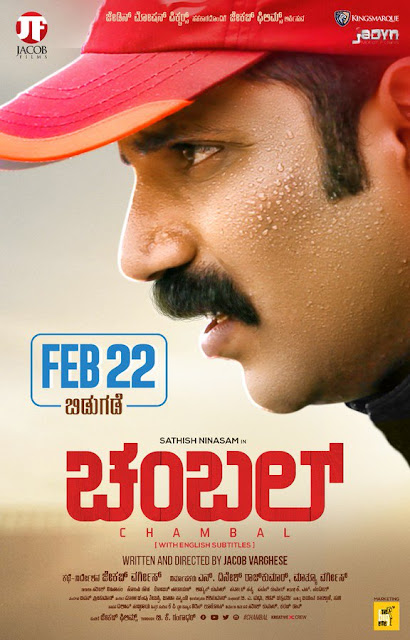
CHAMBAL


Chambal descrive la vita professionale di un dirigente pubblico indiano, una figura direi corrispondente ad un nostro ufficiale della guardia di finanza, ma demilitarizzato (o almeno così ho inteso). Truffe, contraffazioni, illeciti immobiliari e frodi fiscali sono l'oggetto delle sue investigazioni. 
La confezione è piuttosto realistica, lontana anni luce dai patinati set hindi, anche se Chambal ostenta ovunque un ordine e un nitore forse improbabili. Gli uffici sono asettici, le automobili lucidissime, i funzionari impeccabili, le abitazioni quasi lussuose. Inoltre, nel corso delle ispezioni nelle aziende, tutto appare troppo facile, fluido. Chambal trasmette ottimismo, solarità, fiducia nelle istituzioni. Poi il tenore cambia, e la trama assume connotati drammatici.

La sceneggiatura risulta, per forza di cose, un po' ripetitiva - l'argomento non aiuta -, ma non manca di ritmo. Ad un certo punto la narrazione cessa di essere lineare e diviene poco chiara (spero di non aver visto un'edizione incompleta del film). Il rischio è di perdersi. I personaggi sono privi di profondità: conta solo il loro operato professionale. Gli attori si muovono con disinvoltura. 
Nel complesso la pellicola è dignitosa, l'intento assolutamente lodevole. Chambal lascia l'amaro in bocca. Nessun lieto fine, nessun supereroe: al mondo, purtroppo, non c'è posto per i puri.

TRAMA

Subhash è un ottimo investigatore, onesto, gentile con i sottoposti, affettuoso con i familiari, disponibile con gli studenti, affabile con la stampa, addirittura magnanimo con i colleghi corrotti. Subhash non combatte solo i truffatori, ma anche il sistema politico che li sostiene e protegge. Ed accetta con garbata rassegnazione gli inevitabili trasferimenti.  

RECENSIONI

Deccan Herald: *** 1/2
'The films works well as a thriller. Looking at a run-time less than two hours, I wondered whether the host of characters revealed in the promos can sync well with the story. They do, thanks to the smart writing. Every scene feels real and keeps you invested. The dialogues, thankfully, aren't over the top. Chambal is also a film that believes it's important to provide satisfying time to its characters and not just magnify the lead. And the cast performs brilliantly here. (...) The unorthodox camera work and the decently gripping background score (Poornachandra Tejaswi and Judah Sandhy) keep Chambal on the move with good rhythm. Sathish gets the body language of a sincere officer right. He is good with the powerful dialogues. But he fails to show the desperation and helplessness needed for the character. A better performance in that area could have added more grace to his role. The film's pace is also a problem at some places. Chambal is so fast that it forgets to breathe. Jacob isn't interested in the person in Subhash. He only dwells on the professional in him and that's a bit disappointing. (...) Chambal isn't entirely moving but it's a satisfying thriller that keeps you engaged throughout'. 
Vivek M.V., 22.02.19

Cinema Hindi: ***
Punto di forza: l'argomento
Punto debole: i personaggi unidimensionali

SCHEDA DEL FILM

Cast:

* Sathish Ninasam - Subhash
* Achyuth Kumar - il poliziotto corrotto
* Mahantesh Ramdurg - Pandu, il rapinatore
* Sardar Sathya - Babu, lo scassinatore

Regia e sceneggiatura: Jacob Varghese
Colonna sonora: Poornachandra Tejaswi e Judah Sandhy
Lingua: kannada
Anno: 2019

CURIOSITA'

* (SPOILER) Il personaggio di Subhash si ispira a D.K. Ravi, funzionario pubblico indiano suicidatosi nel 2015. Alla sua morte, migliaia di persone scesero in piazza chiedendo di far luce sull'accaduto. In alcune località le attività commerciali e i trasporti furono sospesi, le scuole chiuse. La protesta si allargò a gruppi politici e piattaforme social. I partiti di opposizione ottennero l'intervento della polizia federale, che però confermò il suicidio. (Fonte: Wikipedia). 
* Film che trattano lo stesso tema: Raid (hindi).

24 settembre 2019

KAVALUDAARI


Un giallo che sconfina nel noir e che è anche una tragica storia di formazione. I tre personaggi principali sopportano un bagaglio di insoddisfazioni personali e professionali, lutti familiari, dipendenze, difficoltà finanziarie, rimorso. E sono consumati da un'ossessione che intreccia i loro destini. Il prezzo per soddisfarla verrà pagato con la perdita dell'innocenza e con la vita. Ma Kavaludaari è anche una storia positiva di quotidianità affrontata con leggerezza, di obiettivi faticosamente raggiunti, di riscatto, di amicizia, e forse di amore. 

Kavaludaari è un film dal sapore nostalgico, diretto con grande cura e commentato da un'ottima colonna sonora. L'atmosfera e il ritmo, come la trama, ci riportano nel passato. La sceneggiatura è raffinata e si fa perdonare qualche implausibilità. Il protagonista, l'amabile Shyam, irradia calore. Le interpretazioni sono impeccabili, Anant Nag un mostro di bravura. 
Ho apprezzato gli stratagemmi con cui il regista presenta Shyam - l'uomo si racconta nel corso di brevi appuntamenti con ragazze sconosciute -, e con cui narra l'antefatto avvenuto 40 anni prima - Shyam legge ad alta voce la vecchia pratica scovata in archivio, e i personaggi si materializzano sulla scena. Ho apprezzato anche le inquadrature che, dal particolare, ascendono al generale, spaziando vertiginosamente sulla metropoli. 

Kavaludaari sembra concludersi, ma ecco che il regista regala un finale supplementare dove il passato si interseca con il presente. La vita è un cerchio e tutto ruota intorno al karma, in un rimpallo ingegnoso che riequilibra punizioni e ricompense.

TRAMA

1977. Un omicidio irrisolto e una famiglia svanita nel nulla. Oggi. Ossa rinvenute in un cantiere. Il poliziotto stradale Shyam, contravvenendo agli ordini dei superiori, conduce delle indagini con l'aiuto di Muthanna, l'investigatore che si era occupato in origine del caso, e di Kumar, un giornalista di cronaca nera con qualche scheletro nell'armadio.

ASSOLUTAMENTE DA NON PERDERE

* I sorrisi di Shyam e gli sguardi di Muthanna.

RECENSIONI

Deccan Herald: *** 1/2
'Anant Nag (...) is someone who can sit in a corner, do nothing, and turn it into a performance that feels like it should win every award out there. (...) Hemanth Rao is a visual director. Here is someone who has the writerly capacity to condense a whodunnit with multiple characters into a script, and then expand those words into a landscape that is teeming with imagery, colour, and abundance. His metier includes three tropes (...): aerial shots that somehow expand the concept of Bengaluru, broken but rounded characters seeking that one shot at redemption, and a non-judgmental look all the shades of grey that people exhibit, sometimes unwittingly. Where Hemanth particularly excels are little artistic flourishes that he infuses the movie with, that capture the extraordinary in the ordinariness of middle-class lives. (...) The director chooses a non-linear style to keep the audience engaged with the story, but this isn’t as noir and edge-of-the-seat as I was expecting. It is also a tentative social/political statement that somewhat falls flat. Perhaps Hemanth’s one flaw is that he focuses too much on the greys in the characters he writes. Having said that, this is a movie to watch for Hemanth’s style of filmmaking, and Rishi’s marvellously understated performance. Even though the actual plot has a slow beginning, and the movie plods along for the first two-thirds of the movie, it picks up pace after a major reveal in the final third. And yes, there is a huge payoff at the end. And then there is the grandeur of the cinematography by Advaitha Gurumurthy!'
Suma Nagaraj, 12.04.19

Cinema Hindi: *** 1/2
Punto di forza: la regia e le interpretazioni
Punto debole: il personaggio del ministro e la denuncia politica poco incisiva

SCHEDA DEL FILM

Cast:

* Rishi - Shyam, il poliziotto stradale
* Anant Nag - Muthanna, il poliziotto in pensione
* Achyuth Kumar - Kumar, il giornalista di cronaca nera

Regia: Hemanth M. Rao
Sceneggiatura Hemanth M. Rao e Gundu Shetty
Colonna sonora: Charan Raj firma una colonna sonora vellutata. Segnalo i magnifici brani Khaali Khaali, interpretato da Sharanya Gopinath; e Samshaya, interpretato da Adithi Sagar, che accompagna gli intriganti titoli di testa. Ve ne innamorerete.
Lingua: kannada
Traduzione del titolo: crossroads
Anno: 2019

CURIOSITA'

* Il regista Hemanth M. Rao ha collaborato alla sceneggiatura del film hindi Andhadhun.
* Anant Nag è un attore attivo principalmente nel cinema in lingua kannada, ma è stato scritturato anche in qualche pellicola hindi, fra cui Yuva.
* Kavaludaari avrà presto un remake in lingua tamil. Le riprese dovrebbero iniziare in ottobre.
* Riferimenti all'Italia: l'automobile di Muthanna è una vecchia, deliziosa Fiat azzurra modello Premier Padmini, che è una sorta di rivisitazione per il mercato indiano della mitica Fiat 1100. Prodotta dal 1974 al 2000 da un'azienda locale su licenza Fiat, è stata l'auto, fra gli altri, di Rajinikanth, Mammootty e Aamir Khan.